pay online
Your Knocked-Out Tooth’s First 30 Minutes Could Save It


A knocked-out tooth is one of the most frightening dental emergencies you can face. Your knocked-out tooth’s first 30 minutes could save it in Culver City — and that is not an exaggeration. Acting quickly and correctly gives you the best possible chance of saving your natural tooth. Dr. Benjamin Rosenbaum and the team at Culver Village Dental are here to guide you through every step.
Why the First 30 Minutes Are Critical After a Knocked-Out Tooth
When a tooth is knocked out, the delicate ligament fibers attached to the root begin to die almost immediately. After 30 minutes outside the mouth, survival rates drop sharply. After 60 minutes, reimplantation becomes much less likely to succeed long-term.
The good news is that timing and technique can make a real difference. If you act fast and handle the tooth correctly, your dentist may be able to reimplant it successfully. That is why understanding this window matters so much for anyone in Culver City.
For true dental emergencies like this, you need Emergency Dentistry Culver City patients can count on. Culver Village Dental prioritizes urgent cases so you get care when every minute counts.
Step-by-Step: What to Do in the First 30 Minutes
Stay calm — panicking can lead to mistakes that reduce your tooth’s chances. Follow these steps in order, and get to a dentist as fast as possible.
- Pick up the tooth by the crown — never touch the root. The root contains fragile cells that must stay intact.
- Rinse gently with clean water if the tooth is dirty. Do not scrub it or use soap.
- Try to reinsert the tooth into the socket immediately. Bite down gently on a cloth to hold it in place.
- If reinsertion is not possible, keep the tooth moist. Place it in milk, saline, or between your cheek and gum.
- Call your dentist right away and head to the office immediately. Do not wait to see if the pain goes away.
Never wrap the tooth in a dry tissue or cloth. Dry storage kills the ligament cells within minutes. Keeping the tooth moist is the single most important thing you can do before reaching the dental office.
What Happens When You Arrive at Culver Village Dental
Dr. Rosenbaum will assess the tooth and the socket as soon as you arrive. He will check the root, the surrounding bone, and your gum tissue before making a treatment decision. Speed of care directly affects the outcome.
If the tooth is viable, reimplantation is attempted right away. The tooth is carefully placed back into the socket and stabilized with a small splint. You will likely need follow-up visits over the next several weeks to monitor healing.
In some cases, reimplantation is not possible. This can happen if the root is severely fractured or if too much time has passed. When that happens, Dr. Rosenbaum will walk you through the best tooth replacement options available to you.
Your Tooth Replacement Options If Reimplantation Is Not Possible
Losing a tooth permanently is hard news. But modern dentistry offers excellent solutions that look and feel completely natural. Replacing a missing tooth is important for your oral health, bite function, and confidence.
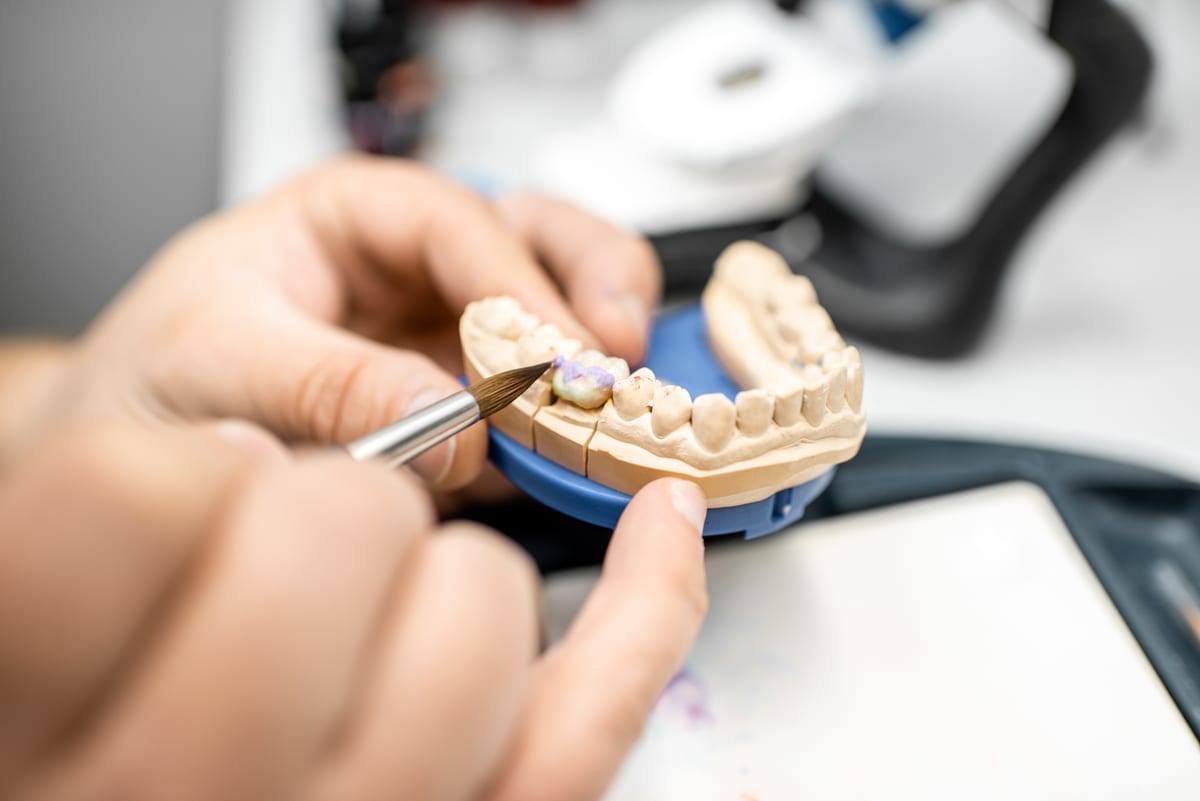
Dental implants are the gold standard for replacing a missing tooth. An implant replaces the root and the visible crown, giving you a permanent, stable result. Many patients find implants feel just like a natural tooth.
Other options include dental bridges and partial dentures. The right choice depends on your bone health, budget, and personal goals. If you are interested in restoring your smile’s appearance, Cosmetic Dentistry Culver City services at Culver Village Dental can help you explore every option.
How to Reduce Your Risk of a Knocked-Out Tooth
Prevention is always better than emergency treatment. Taking a few simple precautions can dramatically lower your risk of knocking out a tooth.
- Wear a properly fitted mouthguard during contact sports and recreational activities.
- Avoid chewing hard objects like ice, pen caps, or hard candy.
- Schedule regular dental checkups to keep your teeth and gums strong.
- Use a seatbelt at all times while driving to reduce facial injury risk in accidents.
- Talk to Dr. Rosenbaum about a custom-fitted sports mouthguard for maximum protection.
Children and teenagers are especially vulnerable to dental injuries during sports. A custom mouthguard from your dentist offers far better protection than a store-bought option. Investing in prevention is always worthwhile.
When to Go to the Emergency Room vs. Your Dentist
Most knocked-out tooth situations should go directly to your dentist — not the ER. Emergency rooms typically do not have the equipment or training to reimplant teeth. Valuable time is lost if you go to the hospital first.
However, go to the ER immediately if you have a head injury, loss of consciousness, or severe uncontrolled bleeding. These are medical emergencies that take priority. Once you are medically stable, contact your dentist right away.
If you are in Culver City and experience a dental emergency, call Culver Village Dental first. Dr. Rosenbaum’s team will advise you on the fastest path to getting the care you need.
Conclusion: Every Minute Matters — Act Now
Your knocked-out tooth’s first 30 minutes could save it in Culver City, and knowing what to do makes all the difference. Stay calm, protect the tooth, keep it moist, and get to Culver Village Dental as fast as possible. The sooner Dr. Rosenbaum can see you, the better your chances of saving your natural tooth. Book Now to schedule your appointment with our team.
Frequently Asked Questions
Can a knocked-out tooth really be saved after 30 minutes?
Yes, but the chances decrease significantly after 30 minutes. Teeth reimplanted within 15 to 30 minutes have the highest success rates. After 60 minutes outside the mouth, the ligament cells are usually no longer viable. Acting fast and keeping the tooth moist gives you the best possible outcome.
What is the best liquid to store a knocked-out tooth in?
Milk is the best readily available option for storing a knocked-out tooth. It preserves the root’s ligament cells far better than plain water. Saline solution is also effective. If nothing else is available, place the tooth between your cheek and gum to keep it moist with saliva.
Should I try to reinsert the tooth myself?
Yes — if you can do so without forcing it, reinserting the tooth into the socket immediately is the best option. Hold it by the crown, rinse gently, and bite down softly on a clean cloth. This keeps the root cells alive and gives your dentist the best chance of successful reimplantation.
What if my child knocks out a baby tooth?
Do not try to reimplant a knocked-out baby tooth. Reinserting it can damage the developing permanent tooth underneath. Instead, keep the tooth and call your dentist right away. Dr. Rosenbaum will examine the area to make sure there is no damage to the surrounding tissue or bone.
How long does it take to recover after a tooth is reimplanted?
Recovery varies depending on how quickly the tooth was treated and how severe the injury was. Most patients use a splint for one to two weeks after reimplantation. Follow-up visits over several weeks allow Dr. Rosenbaum to monitor healing. Some patients may also need root canal treatment after reimplantation to prevent infection.