pay online
Why Your Dentist Recommended a Crown: Five Clinical Reasons Explained

Hearing that you need a dental crown can feel surprising — especially if your tooth does not hurt. Many patients at Culver Village Dental ask Dr. Benjamin Rosenbaum the same question: Do I really need this? Understanding why your dentist recommended a crown helps you make a confident, informed decision. This article covers five clinical reasons explained clearly, so Culver City patients know exactly what is at stake for their long-term oral health.
What Is a Dental Crown and How Does It Work?
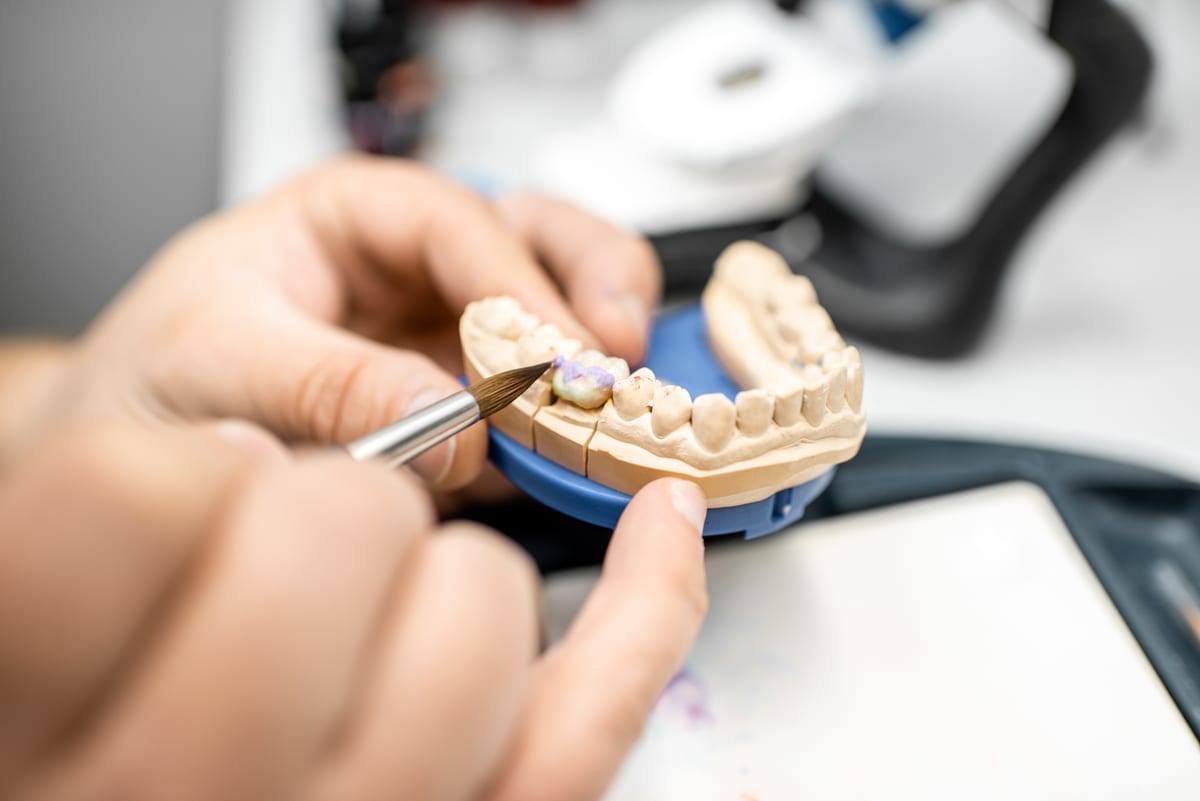
A dental crown is a tooth-shaped cap that fits over your natural tooth. It restores the tooth’s shape, size, strength, and appearance all at once. Dr. Rosenbaum bonds the crown permanently in place so it functions just like a healthy tooth. Crowns are made from porcelain, ceramic, or metal — each chosen based on the tooth’s location and your specific needs.
Crowns protect teeth that can no longer protect themselves. Think of a crown as a full-coverage shield. Without it, a weakened tooth is vulnerable to fractures, infection, and eventual loss. The goal is always to save your natural tooth whenever possible.
Reason One: You Have a Cracked or Fractured Tooth
A cracked tooth is one of the most common reasons Dr. Rosenbaum recommends a crown in Culver City. Cracks can form from grinding, biting hard foods, or an old injury. Many cracks are invisible to the naked eye but cause sharp pain when you chew or drink something cold.
Left untreated, a crack spreads deeper into the tooth root. Once it reaches the root, the tooth may become unrestorable. A crown holds the two sides of the crack together and stops it from growing. Early treatment preserves the tooth — and saves you from more complex care later.
- Cracks do not always cause pain right away
- Vertical cracks are especially dangerous if ignored
- A crown applied early can prevent a root canal or extraction
- Grinding at night significantly increases fracture risk
Reason Two: A Large Filling Has Failed or Is Too Big
Old fillings can weaken over time. When a filling covers more than half the tooth’s surface, the remaining tooth structure becomes fragile. A large or failing filling leaves the tooth at risk of cracking under normal chewing pressure. This is another clear clinical reason why your dentist recommended a crown.
Dr. Rosenbaum evaluates old fillings at every checkup. Signs of failure include micro-cracks around the filling edges, staining, or visible gaps. Replacing a large failing filling with a crown restores full structural support. It also seals out bacteria that could cause new decay underneath.
If you have silver amalgam fillings from decades ago, have them evaluated. Many patients are surprised to learn those restorations have simply reached the end of their lifespan. A crown is the next logical step — not an overtreatment.
Reason Three: You Just Had a Root Canal
Root canal treatment removes infected tissue from inside the tooth. That process, while necessary, leaves the tooth brittle and hollow. A tooth without its inner pulp loses significant structural integrity. Without a crown, it is highly likely to fracture during everyday chewing.
Dr. Rosenbaum places a crown after nearly every root canal on a back tooth. Front teeth sometimes use a different restoration, but molars and premolars always need crown protection. This is not optional — it is essential for the root canal to succeed long-term. A fractured root-canal tooth usually cannot be saved and requires extraction.
- Root-canal-treated teeth become dehydrated and brittle over time
- Back teeth absorb intense chewing forces daily
- A crown after root canal dramatically improves long-term survival rates
- Skipping the crown puts the entire investment in root canal therapy at risk
Reason Four: A Cusp Has Broken Off
Cusps are the pointed chewing surfaces on your back teeth. They can break off suddenly — often from biting something unexpectedly hard. A broken cusp leaves a sharp edge that irritates your tongue and cheek. It also exposes the inner layers of the tooth to bacteria and temperature sensitivity.
A small chip might need only a filling or bonding. However, when a large cusp breaks away, a crown is the only restoration that provides full coverage. Dr. Rosenbaum assesses the break depth to determine the right treatment. If the break extends below the gumline, this may also qualify as a dental emergency.
If you experience a sudden break, contact Culver Village Dental promptly. Emergency Dentistry Culver City services are available to address urgent situations before the tooth deteriorates further. Acting quickly improves your chances of saving the tooth with a crown rather than losing it entirely.
Reason Five: Severe Decay That Cannot Support a Filling
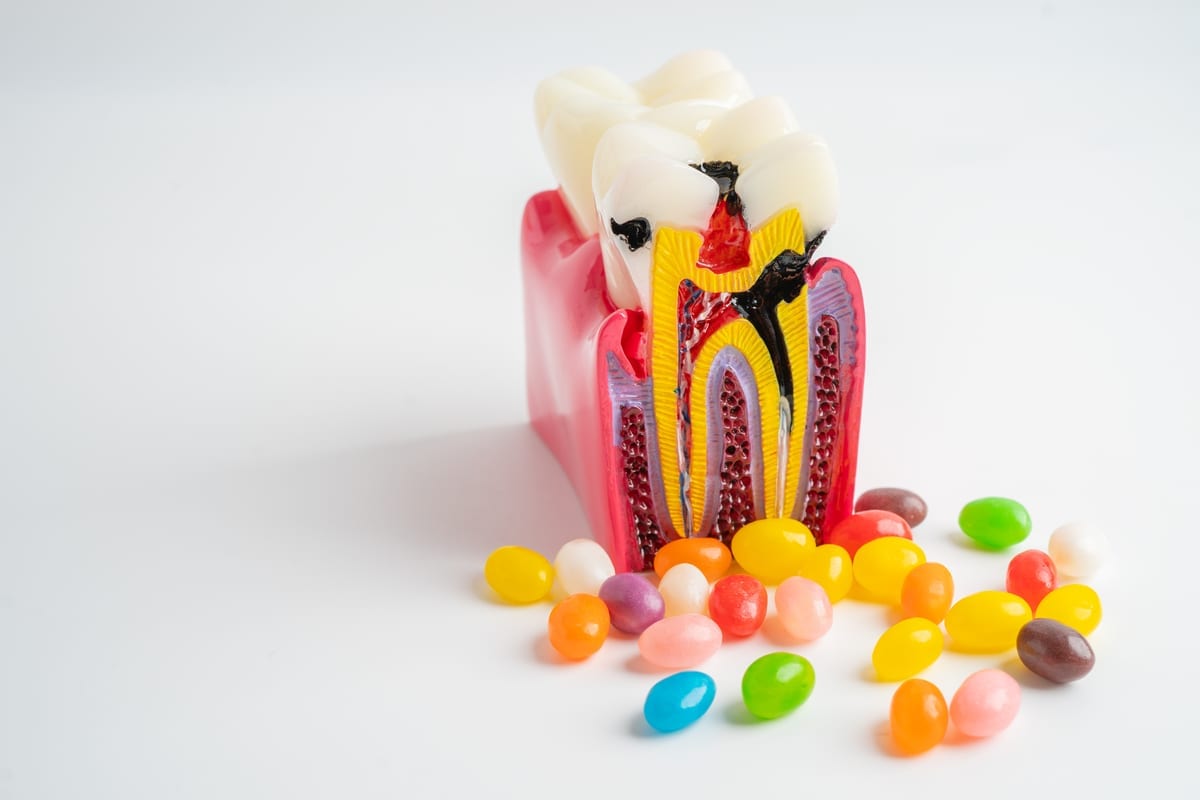
Decay that has destroyed a large portion of the tooth cannot be rebuilt with a simple filling. Fillings require healthy tooth walls to bond to and support the material. When decay is extensive, there is simply not enough natural tooth left to hold a filling securely. A crown covers and protects what remains of the tooth structure.
Dr. Rosenbaum removes all decay before placing the crown. A build-up material reconstructs the tooth’s core when needed. The crown then encases the entire visible portion of the tooth. This approach protects the tooth from further breakdown and eliminates the decay pathway.
Severe decay caught early enough may still allow a crown to save the tooth. Waiting too long can mean the decay reaches the nerve — requiring root canal treatment first. Regular checkups at Culver Village Dental help catch decay before it reaches that stage.
What to Expect During the Crown Process
Getting a crown at Culver Village Dental is a straightforward two-visit process. Here is what most patients can expect:
- Consultation and preparation: Dr. Rosenbaum examines the tooth, takes X-rays, and numbs the area completely before reshaping the tooth.
- Impression or digital scan: A precise impression or 3D scan captures the exact shape needed for your custom crown.
- Temporary crown: A temporary crown protects the tooth while your permanent crown is crafted in a dental lab.
- Placement appointment: The permanent crown is checked for fit, bite, and color — then bonded securely in place.
- Follow-up care: Dr. Rosenbaum confirms your bite feels comfortable and answers any questions you have.
Most patients find the process far more comfortable than they expected. Modern local anesthesia means you feel pressure but not pain. Recovery is minimal — most people return to normal activities the same day.
Crown Care and What Happens Without Treatment
A well-cared-for crown can last 15 to 25 years or more. Brush twice daily, floss carefully around the crown margin, and avoid chewing ice or hard objects. Regular checkups allow Dr. Rosenbaum to monitor the crown and the surrounding gum tissue. With proper care, your crown should function and look completely natural for many years.
Choosing not to get a recommended crown carries real risks. The underlying tooth will continue to weaken. A catastrophic fracture can make the tooth unrestorable, leading to extraction and replacement options like implants. Dental implants are an excellent solution, but preserving your natural tooth is always the preferred outcome when possible.
For patients interested in the aesthetic side of crowns, porcelain options can also enhance your smile’s appearance. Cosmetic Dentistry Culver City at Culver Village Dental combines clinical function with beautiful, natural-looking results. Dr. Rosenbaum matches crown color precisely to your surrounding teeth so no one can tell the difference.
Conclusion: Trust the Recommendation — and Understand It
Understanding why your dentist recommended a crown makes the decision much clearer. Whether the reason is a cracked tooth, a large failing filling, post-root-canal protection, a broken cusp, or extensive decay — each situation has a solid clinical basis. Dr. Rosenbaum and the Culver Village Dental team always explain findings in plain language so you feel confident, not pressured. Book Now to schedule your appointment with our team.
Frequently Asked Questions
Is getting a crown painful?
The crown preparation process is done under local anesthesia, so the procedure itself is not painful. You may feel some sensitivity or mild soreness for a few days after your appointment. Over-the-counter pain relievers usually manage any discomfort effectively. Most patients are surprised by how comfortable the experience is.
How long does a dental crown last?
With proper care, a dental crown typically lasts between 15 and 25 years. Good oral hygiene, regular checkups, and avoiding habits like chewing ice or grinding teeth extend crown life significantly. Dr. Rosenbaum monitors your crown at every visit to catch any issues early.
Can I wait before getting a crown my dentist recommended?
Waiting is generally not advisable. The conditions that require a crown — cracks, decay, broken cusps — tend to worsen over time. Delaying treatment often results in more complex and costly procedures later, including possible tooth loss. Acting promptly gives you the best chance of saving your natural tooth.
Will my crown look natural?
Yes. Porcelain and ceramic crowns are color-matched to blend seamlessly with your surrounding teeth. Dr. Rosenbaum takes care to match the shade, shape, and translucency of your natural tooth. Most patients find their crown is completely undetectable to others.
What is the difference between a crown and a veneer?
A crown covers the entire visible tooth from all sides and is used when a tooth is structurally compromised. A veneer covers only the front surface of a tooth and is primarily cosmetic. Crowns provide structural protection while veneers improve aesthetics. Dr. Rosenbaum will recommend the appropriate option based on your clinical needs.