pay online
Porcelain vs. Composite Veneers in Culver City, CA

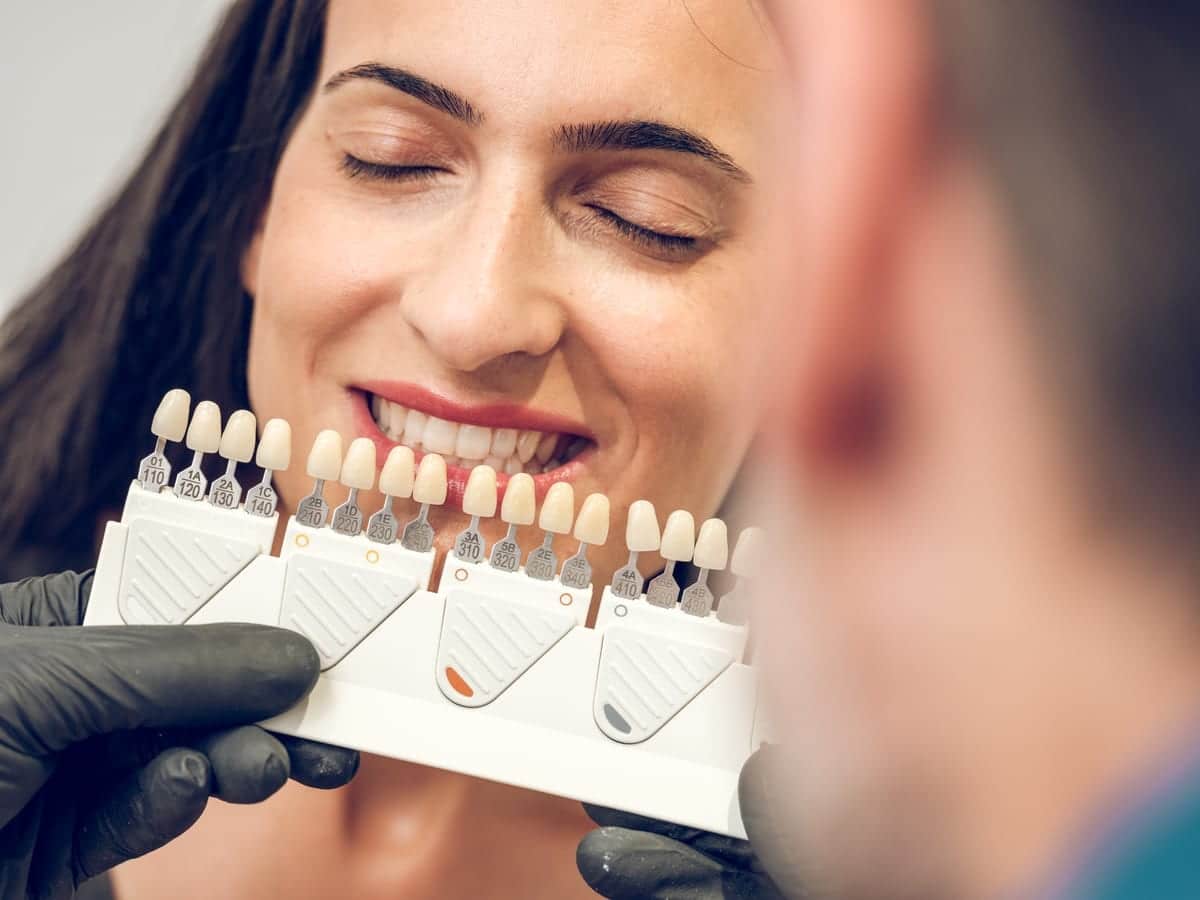
If you’re exploring veneers near Century City, you’ve likely faced one big question: porcelain or composite? Both options can dramatically improve your smile. But when it comes to Porcelain vs. Composite Veneers: Which Actually Lasts Longer in Century City, the answer depends on your lifestyle, budget, and long-term goals. At Culver Village Dental, Dr. Benjamin Rosenbaum helps patients understand every detail before making a decision. This guide breaks down the key differences so you can choose with confidence.
Understanding Porcelain and Composite Veneers in Century City
Veneers are thin shells bonded to the front surface of your teeth. They correct chips, stains, gaps, and mild misalignment. Cosmetic Dentistry has advanced significantly, giving patients in the Century City area more options than ever before. Knowing the basics of each material helps you set realistic expectations.
Porcelain veneers are crafted in a dental lab from high-grade ceramic. They are custom-made to match your natural tooth color and shape. The process typically requires two or more visits. Composite resin veneers, on the other hand, are applied directly to your teeth in a single appointment. The dentist sculpts and bonds the material chairside.
Both types improve appearance effectively. The material difference, however, affects durability, maintenance, and overall cost. Understanding these distinctions is essential before committing to either option.
Aesthetics and Natural Appearance: Which Looks Better?
Porcelain closely mimics the translucency of natural enamel. Light reflects off porcelain the same way it reflects off real teeth. This gives porcelain veneers an exceptionally lifelike, high-definition appearance. Most cosmetic dentists agree that porcelain produces superior aesthetic results for most patients.
Composite resin has improved significantly over the years. Skilled dentists can achieve beautiful, natural-looking results with composite. However, composite does not replicate the same depth of translucency as porcelain. Under bright lighting, subtle differences may be noticeable to a trained eye.
For patients prioritizing a flawless, camera-ready smile, porcelain is typically the preferred choice. For those seeking a noticeable but more budget-conscious improvement, composite delivers strong aesthetic results. Century City patients often weigh both aesthetics and practicality when making this decision.
Porcelain vs. Composite Veneers: Which Actually Lasts Longer in Century City?
Durability is one of the most important factors in this comparison. Porcelain veneers typically last 10 to 20 years with proper care. They resist staining exceptionally well because the ceramic surface is non-porous. Daily habits like coffee drinking or wine consumption affect composite more than porcelain.
Composite resin veneers generally last 5 to 7 years before needing replacement or touch-ups. Composite is more porous than porcelain, making it prone to staining over time. It also chips more easily under pressure from hard foods or teeth grinding. Regular polishing and maintenance help extend composite’s lifespan.
Here is a quick comparison of longevity and durability:
- Porcelain: 10–20 years average lifespan
- Composite: 5–7 years average lifespan
- Stain resistance: Porcelain is far more resistant
- Chip resistance: Porcelain is stronger under normal biting forces
- Repairability: Composite is easier and cheaper to repair
When a porcelain veneer chips or cracks, the entire veneer typically requires replacement. Composite damage, however, can often be repaired chairside during a single visit. This repairability makes composite appealing for active individuals or those prone to dental accidents.
The Procedure: What to Expect With Each Option
The procedure for each veneer type differs significantly. Understanding what’s involved helps you prepare mentally and physically. Here is what each process typically looks like:
Porcelain Veneer Process:
- Consultation and treatment planning with Dr. Rosenbaum
- Enamel removal (a small, permanent amount) to prepare the tooth surface
- Dental impressions sent to a lab for custom fabrication
- Temporary veneers placed while permanent ones are crafted
- Second appointment for bonding the final porcelain veneers
Composite Veneer Process:
- Consultation to plan shade and shape
- Minimal to no enamel removal in most cases
- Composite resin applied and sculpted directly on the tooth
- Hardened with a curing light and polished in one visit
Composite veneers are considered a more conservative option because they require less enamel removal. Porcelain preparation is irreversible, meaning you’ll always need veneers or crowns on those teeth. This is an important consideration for younger patients or those with healthy enamel.
If you’ve had prior dental work or need to address underlying issues like infection, Root Canal Treatment may be necessary before placing veneers. Dr. Rosenbaum always evaluates overall dental health before recommending cosmetic procedures.
Cost Differences and Long-Term Value
Cost is a significant factor for most Century City patients comparing these two options. Porcelain veneers cost more upfront due to the lab fabrication and multi-visit process. Composite veneers are more affordable initially because the procedure is completed chairside in one visit.
However, long-term value tells a different story. Porcelain veneers last twice as long as composite, often making them more cost-effective over time. Replacing composite veneers every five to seven years adds up. When you factor in repeat treatments, porcelain may prove the smarter financial investment.
Key cost considerations include:
- Porcelain veneers have a higher per-tooth cost upfront
- Composite veneers are more affordable for immediate budget needs
- Composite repairs are inexpensive and done in one visit
- Porcelain replacements require a new lab-fabricated veneer
- Long-term total cost may favor porcelain for multi-veneer cases
Dr. Rosenbaum discusses all cost factors transparently during your consultation. He helps you find the option that aligns with your goals and financial situation. There is no one-size-fits-all answer — only the right answer for you.
Making the Right Choice for Your Smile
Choosing between porcelain and composite veneers is deeply personal. It depends on your aesthetic goals, dental health, lifestyle, and budget. Century City patients often lead active, social lives where a confident smile matters every day. Dr. Rosenbaum takes all of these factors into account during your consultation.
Porcelain is ideal for patients who want the most durable, stain-resistant, and lifelike results. Composite suits patients who want a reversible, affordable option with easier repairability. Both deliver real, visible improvements to your smile when placed by an experienced dentist.
Culver Village Dental is conveniently located near Century City and proudly serves the surrounding community. Dr. Rosenbaum and his team are committed to honest, patient-centered care. Your comfort and confidence are always the top priority. Book Now to schedule your appointment with our team.
Frequently Asked Questions
How long do porcelain veneers last compared to composite veneers?
Porcelain veneers typically last between 10 and 20 years with proper care. Composite resin veneers generally last 5 to 7 years before needing replacement or touch-ups. Daily habits and oral hygiene practices significantly influence the lifespan of both types.
Are composite veneers reversible?
Composite veneers are considered a more reversible option than porcelain. They require minimal to no enamel removal in most cases. Porcelain veneer preparation permanently removes a thin layer of enamel, making that tooth reliant on veneers or crowns going forward.
Can composite veneers be repaired if they chip?
Yes, composite veneers can often be repaired chairside during a single dental visit. A dentist adds and sculpts new composite resin directly onto the damaged area. Porcelain veneers, by contrast, typically require full replacement when chipped or cracked.
Do porcelain veneers stain over time?
Porcelain veneers are highly resistant to staining because the ceramic surface is non-porous. Coffee, tea, and red wine are much less likely to discolor porcelain than composite resin. Regular professional cleanings help maintain the brightness of both veneer types.
How do I know which veneer type is right for me?
The best way to determine which veneer is right for you is to schedule a consultation with Dr. Rosenbaum. He evaluates your dental health, aesthetic goals, and lifestyle before making a personalized recommendation. Patients near Century City can visit Culver Village Dental for a comprehensive smile assessment.