
pay online
Is a Dental Bridge Right for Your Missing Teeth

Losing a tooth affects more than your smile. It can change how you chew, how you speak, and how you feel about yourself. If you are wondering is a dental bridge right for your missing teeth in Culver City, you are asking exactly the right question. Not every tooth replacement option works for every patient. At Culver Village Dental, Dr. Benjamin Rosenbaum helps patients understand their choices before making any decisions.
This article walks you through what a dental bridge is, who makes a strong candidate, and what your evaluation might involve. By the end, you will have a clearer picture of whether this treatment aligns with your situation.
What Is a Dental Bridge and How Does It Work?
A dental bridge is a fixed restoration that fills the gap left by one or more missing teeth. It uses artificial teeth — called pontics — anchored to the natural teeth on either side of the gap. Those neighboring teeth, called abutment teeth, are shaped and crowned to support the bridge.
The result is a seamless, functional replacement that looks and feels natural. Bridges are permanently bonded, meaning you do not remove them for cleaning. They restore your bite, prevent remaining teeth from shifting, and help maintain your facial structure. For many Culver City patients, a bridge offers a proven, reliable solution.
There are several types of dental bridges available. The most common is the traditional bridge, which relies on two crowns placed over abutment teeth. There are also cantilever bridges for situations where support exists on only one side, and Maryland bridges that use a bonded framework instead of crowns.
Are You a Good Candidate for a Dental Bridge in Culver City?
Candidacy depends on several factors that Dr. Rosenbaum evaluates during your consultation. No two patients are exactly alike, which is why a thorough assessment matters so much. Rushing into a decision without this step can lead to poor outcomes.
You may be a strong candidate for a dental bridge if you meet these conditions:
- You are missing one to three consecutive teeth in the same area
- Your neighboring abutment teeth are healthy and strong enough to support a bridge
- Your gum tissue and jawbone are in good overall health
- You do not have active gum disease or untreated decay
- You are looking for a fixed, non-removable tooth replacement option
- You want results without undergoing surgery
Patients who have significant bone loss in the jaw may not be the best candidates for a bridge. In those cases, Dr. Rosenbaum may recommend a different approach. The condition of your abutment teeth plays the biggest role in determining whether a bridge will hold up long-term.
If your neighboring teeth are already compromised or have large existing restorations, crowning them for a bridge may actually benefit them as well. Every situation has nuances that a skilled evaluation will uncover.
What the Evaluation Process Looks Like at Culver Village Dental
Before recommending a dental bridge, Dr. Rosenbaum conducts a comprehensive exam. This is not a quick look — it is a structured clinical evaluation designed to map out the best path forward for your specific needs.
Here is what your initial evaluation typically includes:
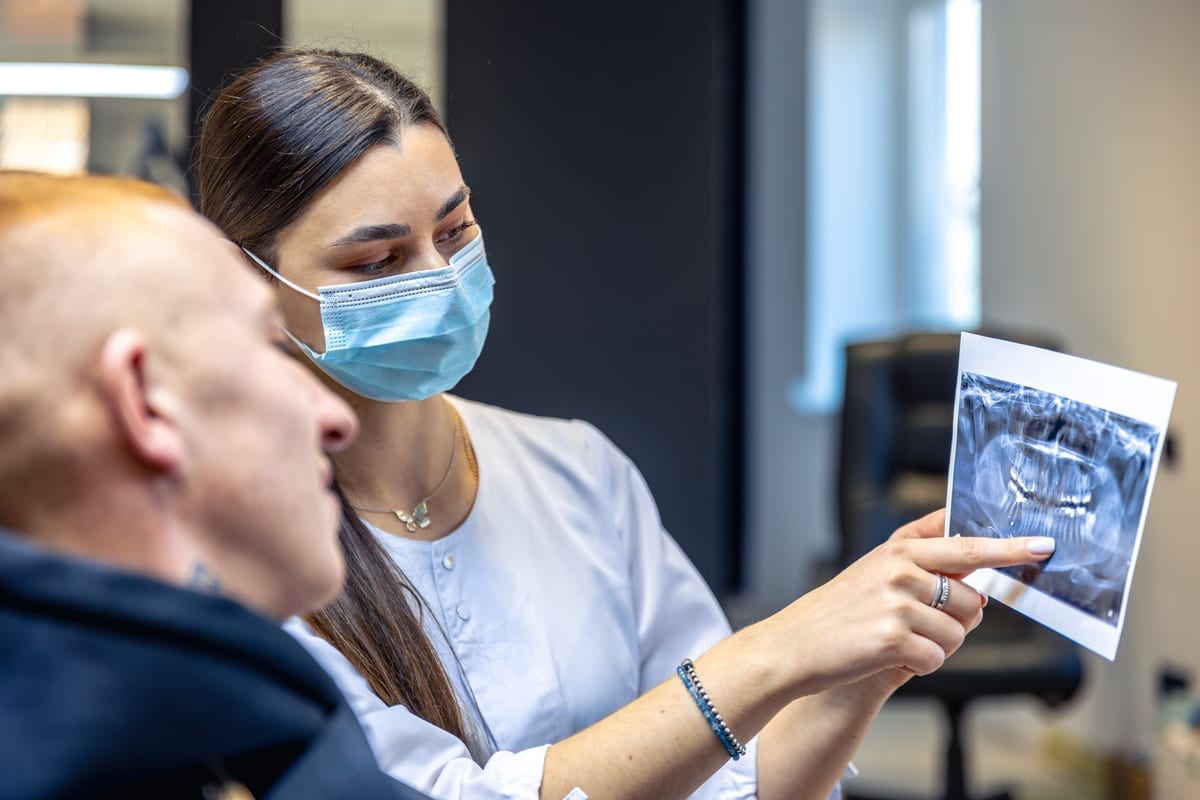
- Digital X-rays: These reveal the condition of your bone, roots, and surrounding structures beneath the surface.
- Gum health assessment: Healthy gums are essential for any dental restoration. Any signs of disease are addressed first.
- Bite analysis: Dr. Rosenbaum examines how your upper and lower teeth come together. A bridge must align properly with your bite to avoid long-term problems.
- Abutment tooth evaluation: The strength and integrity of neighboring teeth are assessed to determine if they can reliably support a bridge.
- Cosmetic discussion: You will talk through your expectations for appearance, shade, and overall smile goals.
This evaluation may also involve a conversation about your dental history. Past trauma, habits like grinding, and previous restorations all factor into the recommendation. Dr. Rosenbaum takes time to explain findings clearly so you feel confident in any decision you make.
Dental Bridge vs. Dental Implant — Which Is Right for You?
One of the most common questions patients ask is how a bridge compares to a dental implant. Both are excellent options, but they suit different situations. Understanding the distinction helps you participate meaningfully in your own care.
A dental implant replaces the tooth root with a titanium post surgically placed into the jawbone. It does not rely on neighboring teeth for support. An implant preserves bone and is considered the gold standard for long-term tooth replacement. However, it requires surgery, sufficient bone volume, and a longer treatment timeline.
A dental bridge, by contrast, does not require surgery or a healing period for bone integration. It can often be completed in just two visits. It is a better fit for patients who want a faster result or who are not surgical candidates. The trade-off is that abutment teeth must be shaped down to accept the crowns.
There is no universally correct answer. The right choice depends on your health, your timeline, and your goals. This is a conversation worth having in depth during your consultation. Cosmetic Dentistry Culver City services at our practice cover a full range of options, so you are never limited to just one path forward.
Factors That Affect Your Long-Term Success With a Bridge
A dental bridge can last 10 to 15 years or longer with proper care. Several factors influence how well your bridge holds up over time. Being aware of them helps you make the most of your investment.
Key factors that affect bridge longevity include:
- Daily brushing and flossing, including under the bridge using a floss threader or water flosser
- Avoiding hard or sticky foods that can stress the bridge structure
- Wearing a night guard if you grind your teeth during sleep
- Attending regular cleanings and checkups at Culver Village Dental
- Addressing any new dental concerns promptly before they affect the bridge
If a dental emergency arises — such as a cracked abutment tooth or a loose bridge — prompt care is essential. Emergency Dentistry Culver City is available at our practice to address urgent situations quickly. Protecting your restoration is just as important as placing it correctly in the first place.
Patients who maintain consistent oral hygiene routines and attend regular appointments tend to get the most out of their dental bridges. Dr. Rosenbaum and the Culver Village Dental team provide ongoing support throughout the life of your restoration.
Taking the Next Step Toward Replacing Your Missing Tooth
Deciding whether a dental bridge is right for you does not have to feel overwhelming. The process starts with a conversation and a thorough evaluation. Dr. Benjamin Rosenbaum and the team at Culver Village Dental are here to guide Culver City patients through every step with clarity and care.
You deserve a complete, healthy smile — and the right information to make that happen confidently. Book Now to schedule your appointment with our team.
Frequently Asked Questions
How long does it take to get a dental bridge?
Most dental bridges require two appointments. During the first visit, Dr. Rosenbaum prepares the abutment teeth and takes impressions. A temporary bridge is placed while your permanent restoration is crafted. At your second visit, usually two to three weeks later, the final bridge is fitted and bonded into place.
Does getting a dental bridge hurt?
The procedure is performed under local anesthesia, so you should not feel pain during treatment. Some sensitivity or mild soreness after the appointment is normal and typically resolves within a few days. Dr. Rosenbaum prioritizes patient comfort throughout the entire process.
Can a dental bridge be placed if I have gum disease?
Active gum disease must be treated before placing any dental restoration, including a bridge. Unhealthy gum tissue compromises the stability and longevity of the bridge. Dr. Rosenbaum will address any gum health concerns first to ensure the best possible foundation for your new restoration.
Is a dental bridge considered a permanent solution?
A dental bridge is a fixed, long-term solution — but it is not technically permanent in the way a natural tooth is. With proper care, a well-placed bridge can last 10 to 15 years or more. Regular checkups and good oral hygiene significantly extend the lifespan of your bridge.
What happens to the bone under a dental bridge over time?
Unlike a dental implant, a bridge does not stimulate the jawbone beneath the missing tooth space. This means some gradual bone loss may occur in that area over time. Your dentist will monitor this during routine visits and discuss any long-term considerations with you as needed.