pay online
Dental Implants & Bone Loss in Culver City, CA

Your body communicates in quiet ways — until it isn’t quiet anymore. For many residents in Ladera Heights, shifting teeth and bone loss are speaking loudly right now. These changes rarely happen overnight. They build slowly, and by the time most people notice, the damage is already significant. Dr. Benjamin Rosenbaum at Culver Village Dental wants you to recognize these signals before they become harder to treat.
What Shifting Teeth Are Actually Telling You
When a tooth is lost, the surrounding teeth begin to drift. This movement is not cosmetic — it is structural. Your teeth rely on each other for positional stability. Remove one anchor, and the entire row responds.
You may notice a gap widening over time. Or perhaps your bite feels different when you chew. Some patients describe a subtle tilting in teeth that were once perfectly straight. These are not random changes. They are your mouth signaling that something foundational is missing.
In Ladera Heights, many patients delay treatment because they assume shifting is a minor issue. It is not. Drifted teeth create uneven bite pressure. That uneven pressure accelerates wear, cracking, and further tooth loss. Catching this early makes a real difference in your outcome.
Bone Loss: The Silent Warning Sign Most People Miss
Bone loss is the warning sign your shifting teeth and bone loss story in Ladera Heights often centers on. It is silent. It is invisible. And it is one of the most serious consequences of missing teeth.
Your jawbone stays dense because tooth roots stimulate it constantly through chewing. When a root disappears, that stimulation stops. The bone beneath begins to resorb — meaning your body gradually recycles it. This process starts within months of tooth loss.
Over time, bone loss changes your facial structure. Cheeks begin to look sunken. The jaw narrows. Patients who have worn dentures for years often recognize this look. What they may not realize is that implants placed earlier could have prevented it entirely.
Bone loss also limits your future treatment options. A jawbone that has resorbed significantly may require grafting before implants are even possible. Acting sooner preserves more of your natural structure.
Warning Signs You Have Already Waited Too Long
There are clear signals that the window for simple treatment is closing. Recognizing them now can save you from far more complex procedures later. Watch for these warning signs:
- Teeth that have visibly shifted or tilted since a tooth was lost
- Difficulty chewing certain foods you previously ate without trouble
- A sunken or collapsed appearance around your cheeks or jaw
- Loose teeth with no obvious cause of injury
- Pain or clicking in your jaw joint when you open or close your mouth
- Dentures or partials that no longer fit securely
Each of these signs points to underlying changes in your bone and bite. They do not improve on their own. In fact, they accelerate as time passes. Patients in Ladera Heights who come to us with several of these signs often require more extensive care than those who come in early.
Difficulty chewing is particularly important. When chewing becomes uncomfortable, people unconsciously avoid certain foods. This affects nutrition and quality of life. It is a measurable decline — and one that a dental implant can often reverse.
Why Dental Implants Address the Root Cause
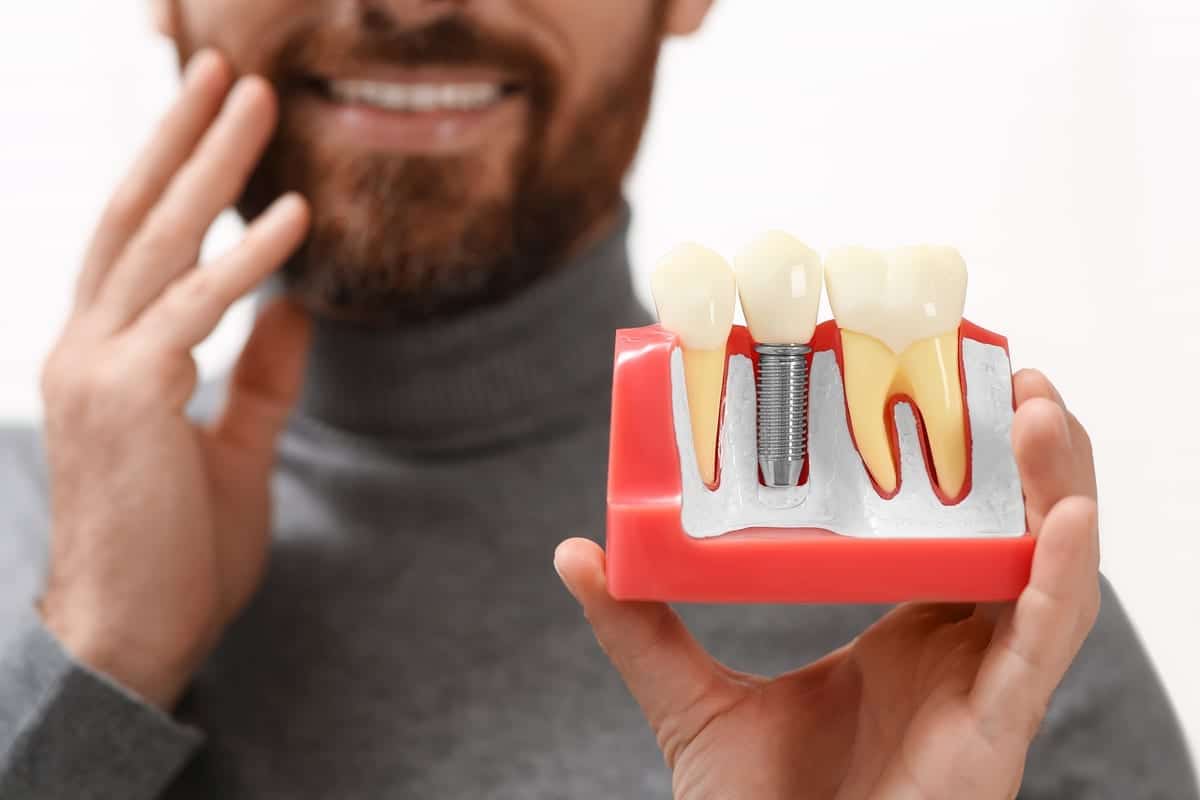
Dental implants are the only tooth replacement option that addresses bone loss directly. A titanium post is placed into the jawbone where the root once lived. The bone fuses around it through a process called osseointegration. This fusion restores the stimulation your bone needs to stay dense.
Bridges and dentures sit on top of the gum. They replace the visible tooth but do nothing for the bone below. Over time, bone loss continues even under a well-fitted bridge. Implants interrupt that cycle entirely.
For patients exploring their options, Cosmetic Dentistry at Culver Village Dental covers a range of restorative and aesthetic solutions. Dr. Rosenbaum tailors each treatment plan to where your bone health currently stands. Early intervention leads to simpler, more affordable care.
In some cases, patients come to us with infected remaining teeth that need attention before implants begin. Root Canal Treatment can sometimes save a compromised tooth that would otherwise be lost. Saving natural teeth is always our first priority when possible.
What the Implant Process Looks Like at Culver Village Dental
Understanding the process removes the fear that keeps many patients waiting. Here is what to expect when you come in for an implant consultation:
- Comprehensive evaluation: Dr. Rosenbaum reviews your bone density, gum health, and bite alignment using digital imaging.
- Treatment planning: A personalized plan outlines the implant placement, any necessary bone grafting, and the restoration timeline.
- Implant placement: A small titanium post is surgically placed into the jawbone under local anesthesia.
- Healing phase: Over several months, the bone fuses around the post. Most patients resume normal activity quickly.
- Crown attachment: A custom porcelain crown is placed on the implant, restoring full function and appearance.
The timeline varies depending on bone health at the start. Patients with significant bone loss may need grafting first, which extends the process. This is exactly why acting on early warning signs matters so much.
Taking Action If You Live in Ladera Heights
Ladera Heights is minutes from our Culver City office. We regularly see patients from the area who delayed care and arrived with more advanced bone loss than they expected. The good news is that most cases are still treatable. The sooner you come in, the more options remain open to you.
Do not let discomfort, shifting, or uncertainty continue without answers. Dr. Rosenbaum and the team at Culver Village Dental provide honest, thorough evaluations. We explain exactly what is happening in your mouth and what your best path forward looks like. There is no pressure — only clear information you can act on.
Your shifting teeth and bone loss are speaking loudly in Ladera Heights. The question is whether you are ready to listen. Book Now to schedule your appointment with our team.
Frequently Asked Questions
How quickly does bone loss start after a tooth is lost?
Bone resorption can begin within the first few months after tooth loss. The process is gradual but continuous. After one year, a significant amount of bone volume may already be gone. Early placement of a dental implant is the most effective way to prevent this loss.
Can shifting teeth be corrected after an implant is placed?
Yes, in many cases. If teeth have drifted into the gap left by a missing tooth, orthodontic treatment may be recommended before or after implant placement. Dr. Rosenbaum will assess your bite and recommend the most appropriate sequence of care during your consultation.
Is it too late to get an implant if I already have significant bone loss?
Not necessarily. Many patients with bone loss are still candidates for implants after a bone grafting procedure. Grafting rebuilds the density needed to support an implant post. The extent of the loss determines whether grafting is required and how complex the process will be.
Why does difficulty chewing mean I should see a dentist urgently?
Difficulty chewing often signals a bite problem caused by missing teeth, shifting, or bone loss. Left unaddressed, uneven chewing pressure damages remaining teeth and strains the jaw joint. It also limits your diet and nutritional intake over time. A dental evaluation can identify the exact cause and outline a solution.
What makes dental implants better than dentures for bone loss?
Dentures rest on the gum surface and do not stimulate the jawbone beneath them. This means bone loss continues even while wearing a denture. Dental implants are anchored into the bone like natural tooth roots. They provide the stimulation your jawbone needs to maintain its density and structure over the long term.