pay online
The “Wiggle” Test: When is a Loose Adult Tooth an Immediate Emergency?

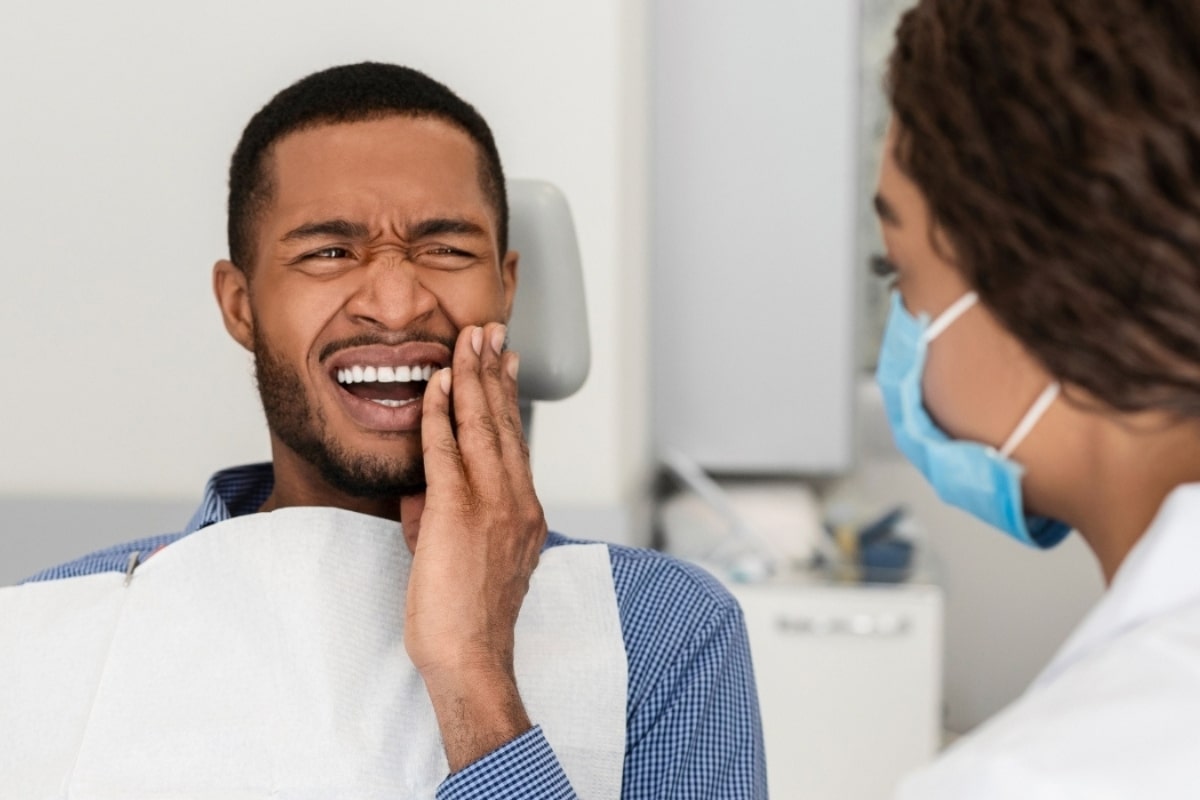
Finding a loose adult tooth can be an alarming experience. Whether it’s due to a sudden trauma or a gradual issue, the feeling of a tooth that moves when touched often raises immediate concern. In many cases, a loose tooth may be a sign of an underlying problem that needs quick intervention.
Ignoring the issue or waiting for it to resolve on its own can result in further complications such as tooth loss or even infection. Understanding when a loose tooth is considered an emergency is crucial.
Immediate action can not only save the tooth but also ensure your long-term oral health. If you’re in the Culver City area, it’s important to know when to call an emergency dentist for help.
What is the “Wiggle” Test?
The “wiggle” test is a common self-assessment tool used to determine the severity of a loose tooth. People often lightly move or wiggle the tooth with their tongue or fingers to see how much it moves. This test can reveal whether the tooth is slightly loose or whether it’s at risk of falling out. The underlying physiological reason for a loose tooth in adults can stem from trauma, like an injury or blow to the mouth, or a chronic condition such as gum disease.
When gum disease progresses, it weakens the bone structures that hold your teeth in place, causing them to loosen over time. Additionally, systemic issues like bone loss or a weakened immune system can exacerbate the problem. If a tooth feels loose, the “wiggle” test can help you gauge the severity, but should not replace a professional dental evaluation.
Causes of a Loose Adult Tooth
There are several causes for a loose tooth in adults. The most common include trauma, gum disease, and bone loss. Trauma, such as an accident or injury to the mouth, can knock teeth loose or even cause them to shift out of place.
Gum disease (periodontitis) is another major cause, as it gradually destroys the gums and bone tissue supporting your teeth. This can lead to significant loosening or even tooth loss if left untreated. Bone loss, typically associated with aging or conditions like osteoporosis, weakens the structural integrity of the tooth’s foundation, resulting in instability.
Other less common causes include bruxism, which is the habit of grinding or clenching teeth, and systemic conditions like diabetes or heart disease. Bruxism places immense pressure on teeth, gradually wearing them down and making them more prone to loosening. If you suspect any of these issues are at play, it’s vital to consult with a dentist for a thorough assessment.
When is a Loose Tooth an Emergency?
A loose tooth should be considered an emergency when certain symptoms or conditions are present. For instance, if there is severe pain, swelling, or bleeding, it’s essential to seek immediate care.
Severe pain often signals that the tooth is infected or that there is significant damage to the surrounding tissue. Swelling, particularly around the gum line, can indicate infection or an abscess, which can rapidly worsen if untreated. If a tooth is very loose and there is difficulty chewing or talking, this is another clear sign of a dental emergency.
Waiting too long to address these issues can lead to worsening conditions, such as gum abscesses, bone loss, or even tooth loss. If you experience any of these symptoms, it’s important to contact your local emergency dentist in Culver City as soon as possible.
At Culver Village Dental, we offer prompt and compassionate care for dental emergencies to help prevent further damage to your teeth and gums.
What to Do When You Have a Loose Tooth
If you discover a loose tooth, it’s crucial to take immediate action to avoid further damage. The first step is to avoid wiggling the tooth any further. Excessive movement can cause additional trauma to the surrounding gum tissue and bone.
Instead, try to stabilize the tooth by gently holding it in place. If there’s swelling, apply a cold compress to the affected area to reduce inflammation and pain. This can help manage discomfort until you can see a dentist.
Next, avoid eating hard or chewy foods that could aggravate the loose tooth. Stick to soft foods and avoid using the affected tooth to chew. It’s also important to keep your mouth clean by brushing gently around the loose tooth, but be cautious not to irritate the gums further. If you experience bleeding, apply a clean piece of gauze to the area and press gently to stop the flow.
Above all, it’s essential to contact an emergency dentist in Culver City immediately. The faster you receive treatment, the better the chances of saving your tooth.
How a Dentist Will Handle a Loose Tooth
When you visit a dentist for a loose tooth, they will begin by performing a thorough dental exam to assess the severity of the problem. The dentist will carefully check the tooth and surrounding gums for any signs of infection, inflammation, or damage. This visual examination is essential for understanding how the tooth is moving and what might be causing it to loosen.
In most cases, the dentist will also take X-rays of the affected tooth and the surrounding area. X-rays allow the dentist to see the bone structure beneath the tooth, as well as any hidden infections or damage to the roots.
This helps them determine whether the issue is related to gum disease, bone loss, or trauma. X-rays can also identify any underlying dental problems that might be contributing to the tooth’s looseness, such as decay or previous dental work.
Based on the findings, the dentist will recommend a course of treatment. If the cause is gum disease, they may suggest deep cleaning (scaling and root planing) to remove plaque and tartar from below the gumline, which can help restore the tooth’s stability. In cases where the tooth is still viable but severely loose, the dentist may apply a splint to stabilize it, attaching it to neighboring teeth until it heals.
If an infection is present or the tooth is too damaged, a root canal may be necessary to remove infected tissue and save the tooth. However, if the tooth cannot be saved due to severe damage or infection, the dentist may recommend extraction. After extraction, the dentist will discuss options for tooth replacement, such as implants or bridges.
A timely visit to the dentist ensures the best outcome for your tooth and oral health.
Prevention Tips for Healthy Teeth and Gums
Preventing loose teeth starts with maintaining proper oral hygiene. Brushing twice a day with fluoride toothpaste, flossing daily, and using an antibacterial mouthwash can help prevent gum disease, which is a major contributor to loose teeth.
Additionally, regular dental check-ups are essential for catching early signs of gum disease or bone loss before they become severe. During these visits, your dentist can perform professional cleanings to remove plaque and tartar buildup, which can lead to gum infections.
For those at risk of bruxism, wearing a nightguard while sleeping can help protect your teeth from the damage caused by grinding. If you play contact sports, wearing a mouthguard is crucial for preventing injuries to your teeth. Finally, eating a balanced diet rich in vitamins and minerals, particularly calcium and vitamin D, can help maintain strong bones and healthy gums.
A loose adult tooth can be a frightening experience, but knowing when it’s an emergency and how to act quickly can make all the difference. If you’re in Culver City and dealing with a loose tooth, don’t hesitate to contact an emergency dentist. At Culver Village Dental, we’re here to provide prompt and effective care, helping you protect your smile and your oral health. Whether you’re dealing with trauma, gum disease, or other issues, we’re ready to assist you in your time of need.
What People Want to Know
Can a loose tooth heal on its own?
In most cases, a loose tooth won’t heal without professional care. Ignoring it may lead to further damage or tooth loss.
What should I do if my tooth is loose?
Avoid wiggling it further, apply ice to reduce swelling, and contact a dentist as soon as possible for a proper evaluation.
Is it safe to eat with a loose tooth?
It’s best to avoid chewing with a loose tooth to prevent further damage. Stick to soft foods until you see a dentist.
Can gum disease cause a tooth to loosen?
Yes, gum disease can weaken the structures supporting your teeth, leading to looseness and potentially tooth loss if untreated.
Should I wait to see a dentist for a loose tooth?
No, delaying care can worsen the condition. Contact an emergency dentist promptly to avoid complications.